$10,000         I used to breathe fire, you know?

An immersive multidisciplinary installation exhibition that explores grief, loss, memory, and ancestral archiving. The project features a multidisciplinary exhibition, a performance film installation – by the same name, creative workshops, and a communal archival photo project. This work experiments with both materiality and form as it fragments and deconstructs the metaphysical and ancestral identities in order to birth it into the physical world. Constructed as a multi-sensory environment – where viewers engage with sound, moving image, and spatialized prose – the work dissolves linear perception, and allows witnesses to holistically connect with the work.

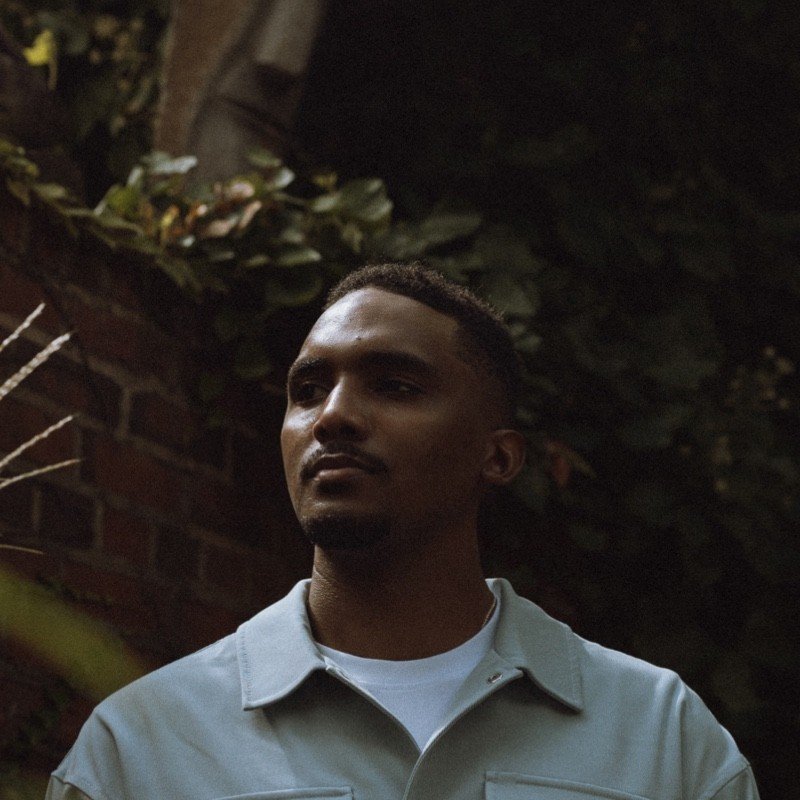
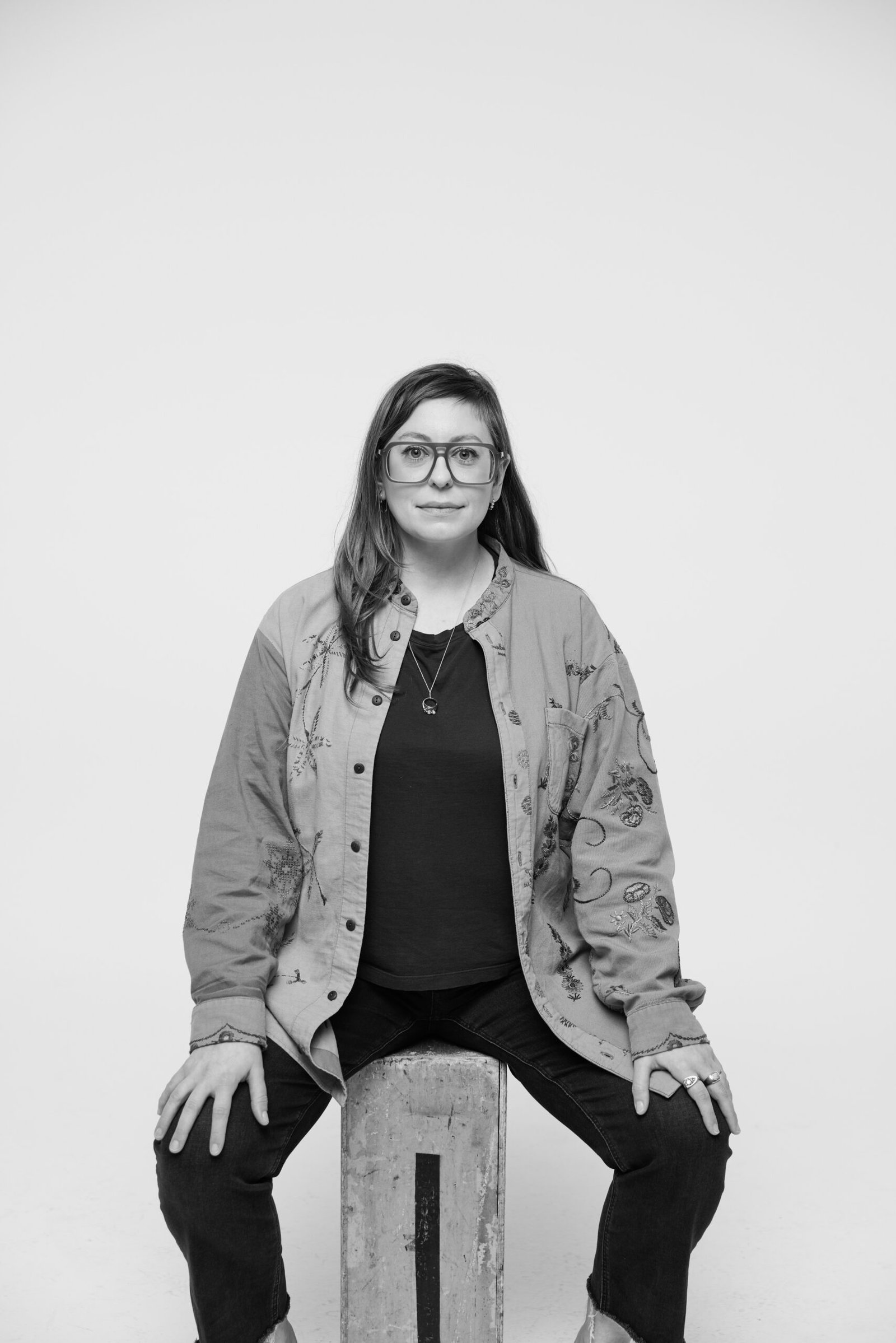
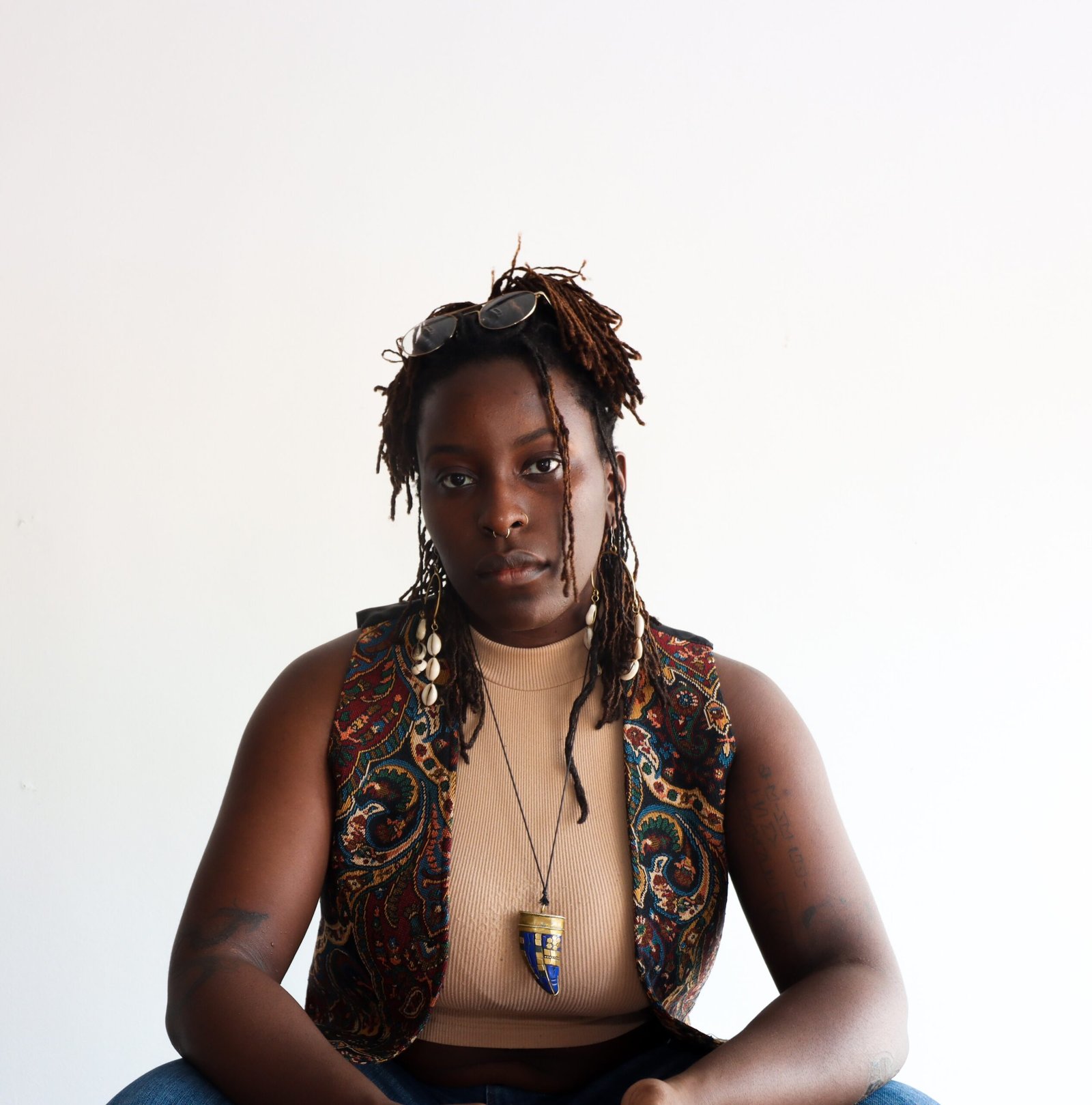
Artist(s) Bio or Statement – Arit Emmanuela Etukudo is a Nigerian-American self-portrait Moving Image Installation and Performance Artist who uses the Black Radical Imagination to explore the fluidity and metamorphosis of Black identity. She unearths AfroFrequency by combining self-portraits, moving images, installations, poetry, performance, and soundscapes to delve into the ontology, mysticism, history, and transcendental realities that form the core of AfroExistence. Using imagination to emancipate identity, Etukudo prompts viewers to reimagine narratives shaping their existence. She explores AfroFrequency not as an extension of Western ideas of the future but as the magic that lies at the root of African existence and self-retrieval. Her work is a meeting place for transformation and antiquity.
$10,000         Homie House Press

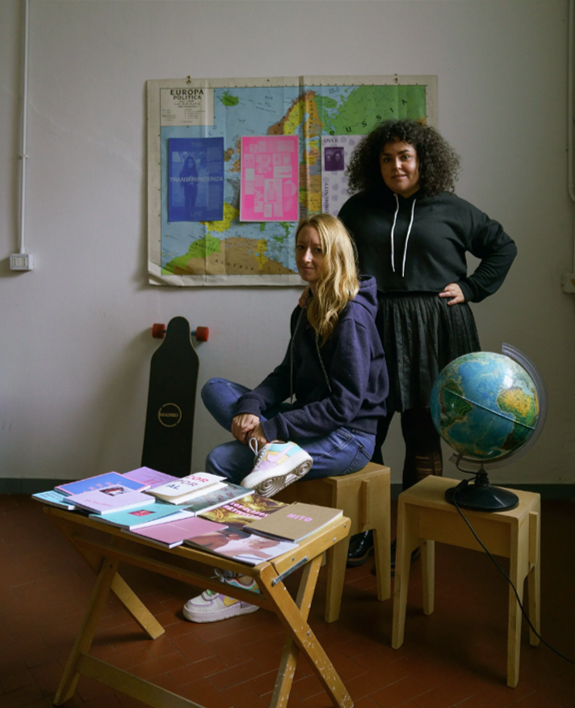
Homie House Press is a sisterhood, an evolving plan, and a sci-fi sequence where historically underrepresented folx are equipped with the tools to create + publish in the photobook medium. Photography in the book form matters. Representation for underrepresented communities through our lived experience is power. Taking narratives out of the digital realm and translating them as tangible and accessible art is power. Archiving them as an art book for us, by us, and about us is power. Books carry our stories and our stories are the entire fabric of humanity. If books are knowledge and photography is testimony, then this is about all of us and our interconnected agency. The truth is, our stories will save us.

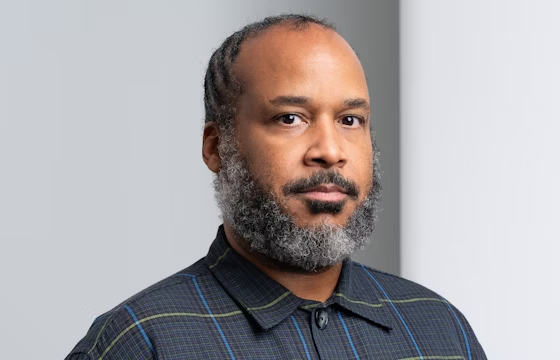
Artist(s) Bio or Statement – Homie House Press is a space founded in community, care, and joy. We do our part to hold the white supremacist system of the art world accountable. This is a never-ending process. Photography, publishing, and the art world at large are deeply rooted in systems of power and oppression. This space exists to counteract a history of flawed archives with thoughtful and careful story-tellers of the future. Every book you buy directly contributes to actively redistributing wealth and putting it in the hands of the folx who make and tell stories. You can be a part of putting QTBIPOC storytellers at the forefront and center by supporting with your coins to ensure we continue the tender and rigorous work of revisionist history. Black Lives Matter, and more specifically— BLACK TRANS LIVES MATTER. When those who are the most oppressed get free, we all free!

$10,000         Tsalagi Textiles Studio

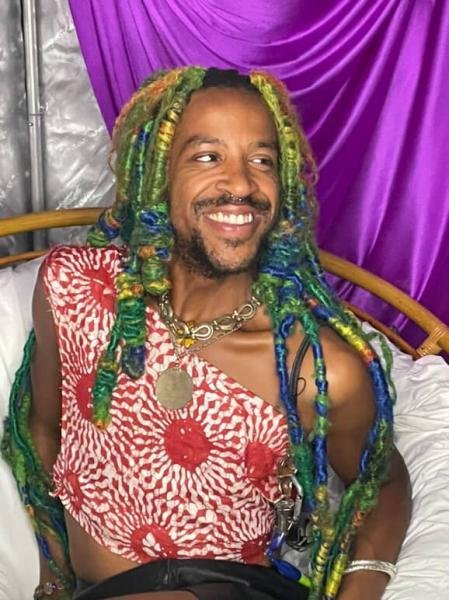
Tsalagi Textiles Studio: Indigenous Textile Space for Craft is about the preservation and continuation of the textile arts communities within Baltimore City. Tsalagi Textiles Studio: Indigenous Textile Space for Craft will be the founding space of textile arts for Craft education centered around traditional folk art based practices such as Sewing,Weaving and Textile Design. These forms of practice are essential to the environment to preserve cultural heritage and autonomy of black indigenous queer communities. Tsalagi Textiles Studio envision a world where Sewing, Weaving and Textile design is not only a timeless skill but also a pathway to creativity, self-sufficiency, and community. Tsalagi Textiles Studio: Indigenous Textile Space for Craft will produce a installation named “Craftivism: Sewing In Resilience” an introductory Exhibition to launch the project space in partnership with local maker space Station North Tool Library.

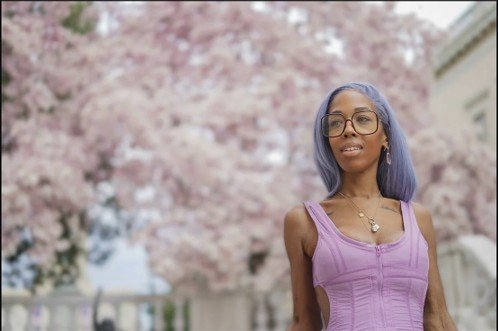
Artist(s) Bio or Statement – CHEROKAREE TSALAGI an Indigenous American Textile Artist/Designer born and raised in Baltimore City. He is the Creative Director of  Tsalagi and Tsalagi Textiles Studio. A  fashion textile business which started shortly after he graduated from Baltimore City College in 2017. He graduated with a 4.3gpa and the IB Diploma of the Visual Arts program. Advocate and Activist in the Arts community standing up for the Indigenous peoples and all peoples alike in the world of human rights, fashion and art. An Artist and Creative of his community he created textile workshops for adults and youth to learn about textile designing with the assistance of the motor house staff. K’aree has networked with various coworking communities such as Impact Hub to plan initiatives for artist collaboration on community art projects and support groups for creatives. As well as talk about his own visions for the Baltimore Arts scene with emphasis on indigenous and LGBTQIA representation. Furthermore, he has taught Art in the Baltimore City Public School system partnering with the non profit organization known as Art With A Heart. He continued his involvement with being an advocate for the artist community by becoming the Alumni Artist Mentor for Baltimore Youth Arts. A non profit organization supporting rehabilitated youth in art healing and youth creatives in entrepreneurship. He excelled at the program providing the staff with new innovative ways to appeal to the youth through arts and increasing sales in the products they offered. He has been working in the communities of Baltimore City for 10  years now as an Artist, Designer, Activist and Leader of Youth Arts Advocacy.

$ 7,500          CLOSE THAT BACK DOOR

Close That Back Door began as a feeling long before it evolved into an idea for an art installation. It first lived in conversations between my collaborator and me about home, family, and loss—about the neighborhoods that raised us, and the doors we’ve watched close behind, or on, the people we love. The project now takes shape as a series of handcrafted tufted rugs, doormats, and a companion short film, all intended to live within a gallery or museum space.

The title draws inspiration from the colloquialism “being back-doored,” which in sub‑popular culture refers to being betrayed or set up by a close friend or known associate. I reinterpreted the phrase, transforming it into a message of empowerment. In this project, Close That Back Door speaks to eliminating self‑betrayal and placing responsibility for personal accountability and growth in one’s own hands. The goal is for the phrase to serve as a call to action for the broader community—to encourage individuals not only to strive to be better for themselves, but also to extend that effort toward others, ultimately contributing to a healthier, more supportive environment for everyone.

$ 7,500         Playtest: Data, Memory, and Community

A collaborative, public-facing visual arts project that explores how artificial intelligence, language, and community memory intersect. The project uses creative workshops, live performance, and interactive installation to help Baltimore residents understand how emerging technologies shape representation, authorship, and identity.

Playtest centers visual art as both medium and method. The project includes three interconnected components: Prompt Battle — Live Public Event; NO CAP — Interactive Installation; Data + Memory Workshops — Participatory Community Sessions.

Playtest engages our Baltimore community by turning conversations about artificial intelligence into shared cultural experiences. Rather than approaching AI just through technical lectures, the project uses visual art, live performance, and participatory workshops to create entry points that are creative, accessible, and grounded in lived experience.
All components are free and open to the public. Visual demonstrations and participatory formats make abstract systems tangible. There are no passive audiences, community members are collaborators. Their language shapes the prompts. Their questions shape the dialogue. The goal is to build confidence, cultural agency, and a shared space where people can question how data systems interpret their lives and imagine how to shape them differently.

$ 5,000            While Washer Woman Was Here

Washer Woman Was Here is a sculptural installation and performance activation centered on a human-scale structure that functions as a sanctuary space for ritual, care, and collective release.

The structure is filled with warm light, hanging cloth, wash basins, and simple domestic materials. Inside, I perform the role of the Washer Woman—slowly washing garments as an embodied ritual of care. Visitors are invited to enter the structure one at a time and offer a garment, or select a cloth from a communal rack, to be “washed of worry.” Afterward, the cloth is hung inside the structure, slowly transforming the space into a record of collective participation.

Artist(s) Bio or Statement – Nicoletta Daríta de la Brown (she/they) is an award-winning Panamanian-American interdisciplinary artist and wellness educator whose practice bridges contemporary art, ritual, and embodied care. Drawing upon her Panamanian heritage and lineage of healers, she creates immersive performances, sculptural installations, video artworks, and public activations that invite reflection, connection, and belonging through sensory experience and ancestral ritual.

Her work has been presented by the Smithsonian (Hirshhorn Museum and Arts + Industries Building), The Phillips Collection, The Walters Art Museum, The Baltimore Museum of Art, The National Aquarium, The Kennedy Center, Brown University, Johns Hopkins University, and the Tribeca Film Festival. She is currently Artist-in-Residence at Creative Alliance and Baltimore School for the Arts. She has held residencies and fellowships with MacDowell, Project Row Houses, Vermont Studio Center, Johns Hopkins University, and the National Aquarium, and is a MAP Fund Grantee and Ruby Artist Award recipient.

$ 5,000            Surviving the Key Bridge

The Surviving the Key Bridge project follows up on the impact of our work more than two years after the collapse. While the Echoes from the Key Bridge project focused on the longshoreman, Scott Ambrose, Surviving the Key Bridge looks at families who are in worse situations than before. The intended outcome of Surviving the Key Bridge is calling out that Latin Americans are suffering not just from being invisible workers but also being racially profiled by our federal administration. The project will serve as a security hub for families to share their opinions, their grief, their frustrations, and act as a vessle to document and increase awareness of their needs. The platform we create will be reproduced in various universities, churches, non-profits, and government events to promote immigrant advocacy and solidarity.

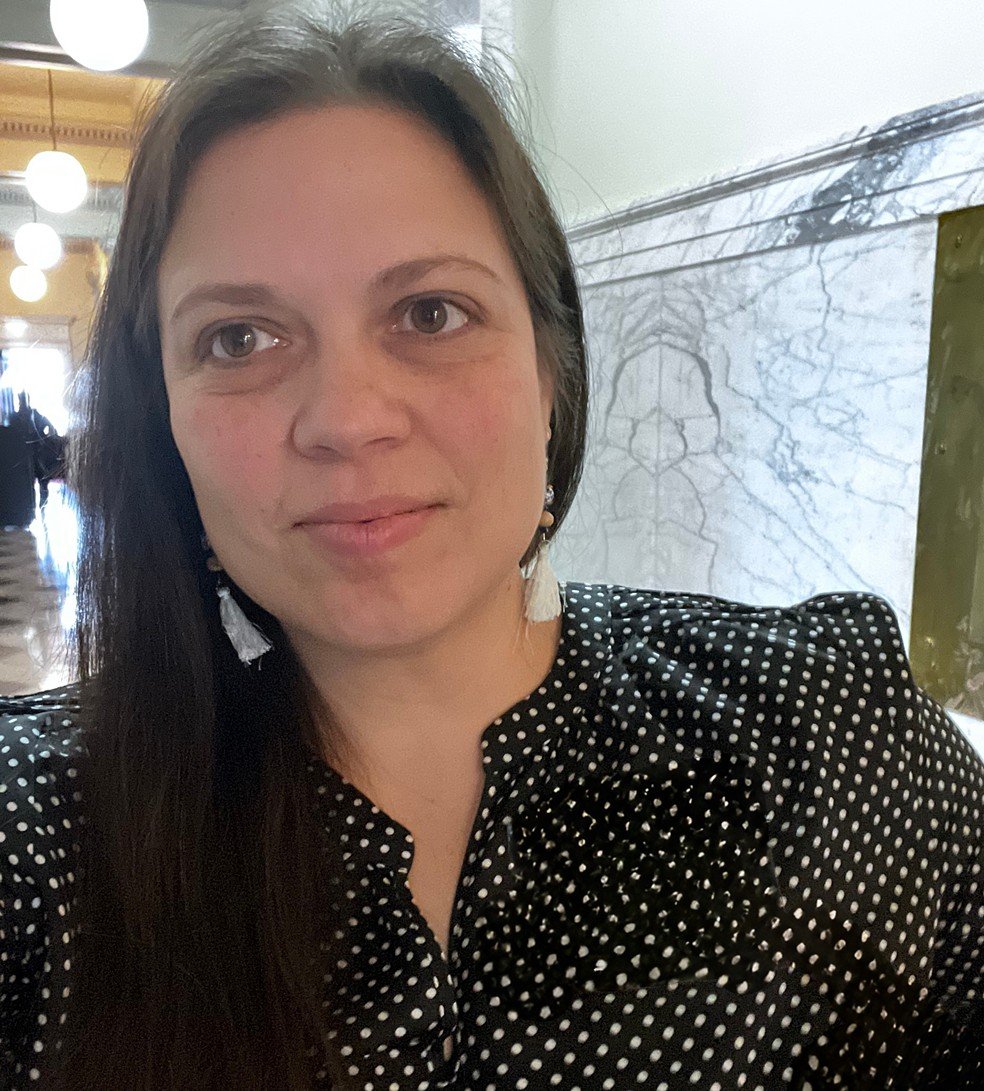
Artist(s) Bio or Statement – Maria Gabriela Aldana Enriquez is Art of Solidarity’s cofounding director. She is a bilingual community artist, award-winning filmmaker, oral historian, muralist, queer matchmaker, and teacher. For over 20 years, Aldana has produced community-centered work. Originally from Managua, Nicaragua, Ms. Aldana is a proud immigrant with a lifetime of experiences between cultures as a former asylee raised in Miami as a child by her family. She calls Baltimore, Maryland home where she earned her BFA from the Maryland Institute College of Art in 2003 and was part of the first group to earn a MA in Community Arts in 2006. She holds K-12 Fine Arts Teacher license in the state of Maryland from Notre Dame, University of Maryland. Most recently, Aldana wrote, directed, produced and edited “Echoes from the Key Bridge: A Baltimore Longshoreman” oral histories and documentary, and continues to capture the human toll of the collapse of the Key Bridge today.

$ 5,000         Filth Fest

Filth Fest is a large film, media, and art festival showcasing bold, provocative, and exciting films created by queer filmmakers that are normally rejected from film festivals. We hope for this event to become the start of an annual day-long festival taking place in Baltimore that’s centered around a curated selection of films created solely by queer filmmakers, and also featuring surprise performances, live music, and art workshops.

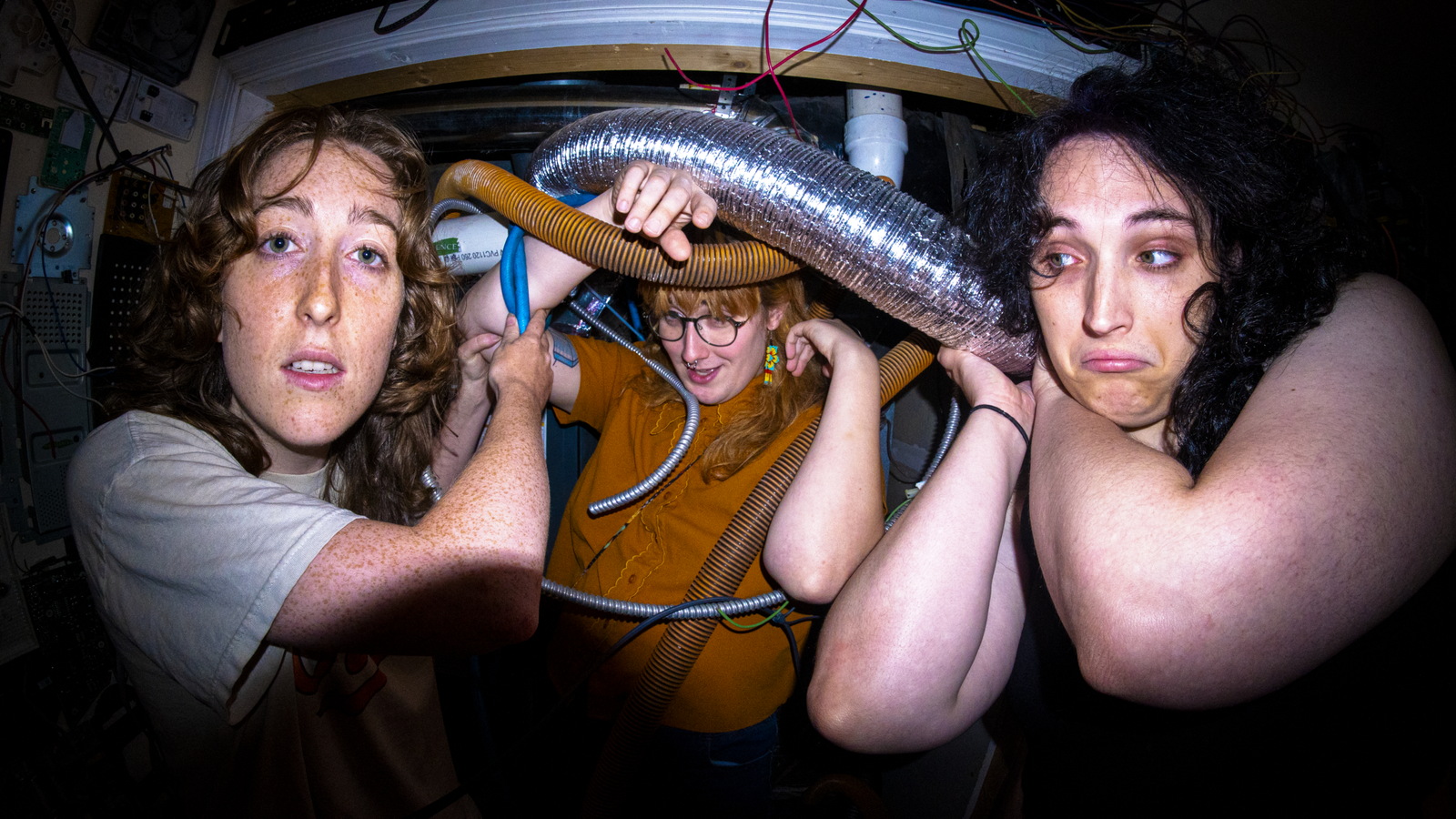
Artist(s) Bio or Statement – The core members of Sideworld include:

Lilith Videt Weeks (b. 2002, Jacksonville, FL), is a Baltimore based filmmaker/interdisciplinary artist and core member of the East Coast multimedia art collective, Sideworld. In 2025, she was selected for the Robert W. Deutsch Foundation’s Rubys Artist Grant to fund her largest project to date, a film currently titled Bugaboo Baby. Since 2021, her work has been displayed in galleries, film festivals, and other public venues across both Maryland and Florida, including Tallahassee’s 621 Gallery, the 2025 New/Next and Baltimore Horror Film Festivals, and the quarterly film series, New Works.

Across multiple mediums, her work often explores the intersection of memory, dreams, violence, and queerness, taking particular interest in how these subjects are filtered through the unreliable lens of mass media and online subcultures. With a deeply DIY creative ethos, the aesthetics of her filmmaking practice are largely informed by a desire to push the limits of obsolete technology, combined with a maximalist tendency to blend elements of live action footage, animation, and analog visual distortion.

Julia Cooke  – Plagued by visions of low-poly animation, formative years in the Port Discovery Mystery House, East Asian grocery advertisements, and Space Age design, Julia Cooke’s animations come from her own inimitable imagination. She lives as a multimedia artist full time and has worked independently for three years as a painter, animator, and filmmaker. Her body of work can be found at https://juliascorner.neocities.org/.

Isaac Lucy – (b. 2001, Jacksonville, FL), is a trans filmmaker and musician based out of Baltimore, MD who works as a core member of the East Coast art collective Sideworld. Whether it be under the maximalist and introspective musical project I.L.L., or scoring and directing films that make your skin crawl, they craft singular experiences using what little they have at their disposal at any given time. From borrowed pedals to glasses clanking, anything can be a tool in their process. They pride themselves in the collaborative aspect of their work, feeling as if every project they work on is elevated by second opinions, co-direction, added instruments or vocals, and sometimes just plain old advice.

The Jury

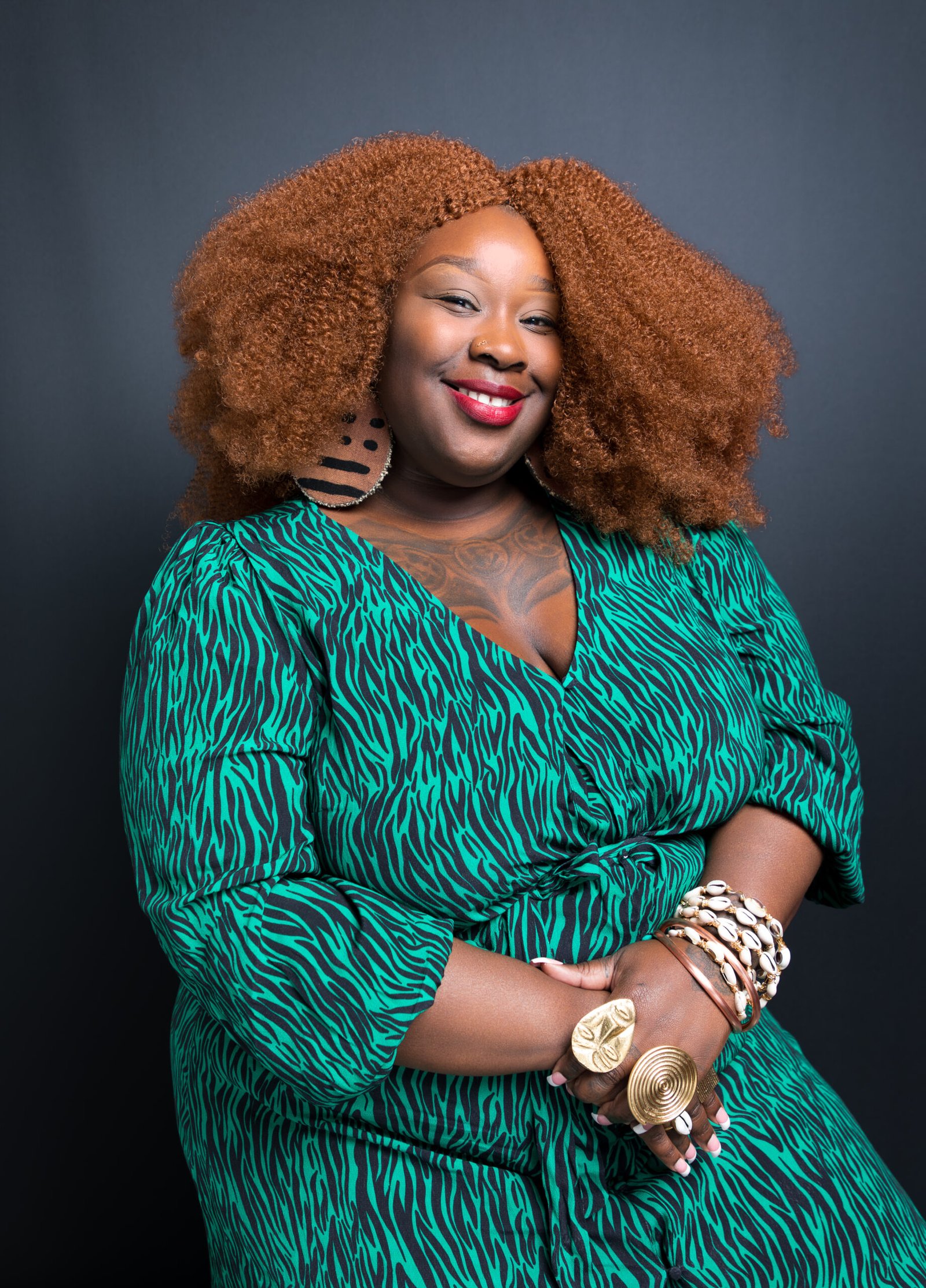
Ebony Evans is a musician, performing artist, arts educator, chief curator, small business owner and passionate activist. By exploring the intersections of race, gender and body politics, Ebony’s work confronts the marginalization and disparagement of Black womxn and femmes while challenging the insidious culture of white supremacy. She has emerged as a prominent leader in rallies, organizing, and protests that align with the Say Her Name movement. Ebony earned a bachelor’s degree in Urban Arts Theater from Coppin State University, where she was honored with awards for outstanding achievement in performance. With over a decade of teaching experience, she has developed arts programs, summer camps, workshops, and classes for intergenerational audiences. As a teaching artist, she successfully curated an African Folklore program at Creative Alliance, which emphasized the significance of connecting youth to their cultural identity, enhancing their performance skills, and discovering their purpose. In 2025, she was selected for the CAELII Leadership Transformation Cohort by the National Guild for Community Arts Education. Ebony’s impactful work has been featured in various media outlets, including WYPR, Mic, Black Child Journal, The Baltimore Sun, The Baltimore Beat, Baltimore Magazine, Bmore Art, and more.

Grit Fund Logo on an orange background

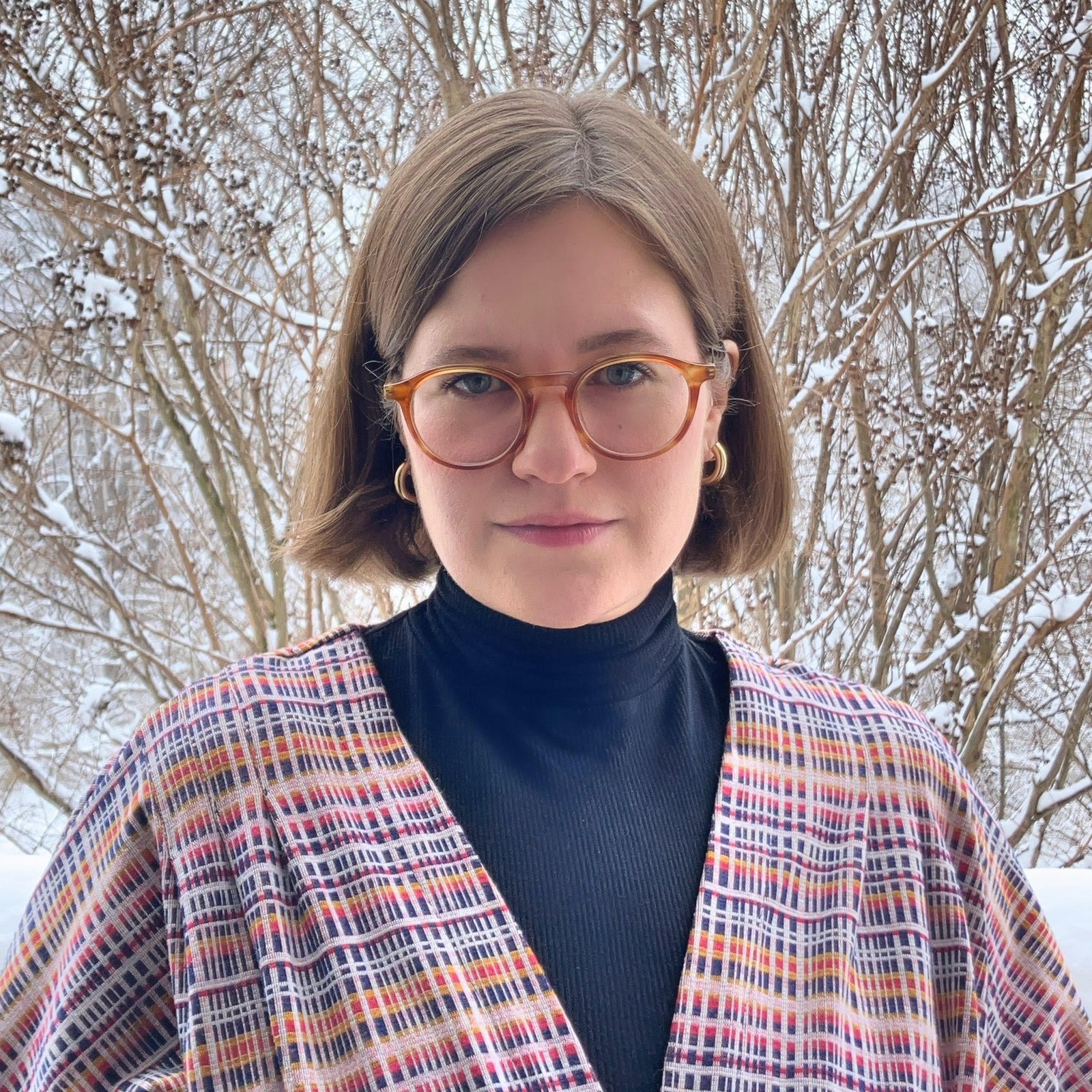
M. Neva Hoffman – My relationship to arts and culture in Baltimore is rooted in my work in museum leadership at the Jewish Museum of Maryland, where I serve as the Culture + Change Director. The Museum functions as both a history museum and an arts institution, and one of the most gratifying parts of my role has been supporting the intentional integration of artists into a museum setting. Working at that intersection has shaped how I think about arts and culture as living, growing work connected to people and process.
In my current position, I oversee our public art initiatives as well as public programs and visitor services. While I am capable of hands-on project work, much of my role focuses on leadership and support. I spend a lot of my energy helping translate vision into reality, thinking through how ideas move from concept to execution. That work has given me a strong understanding of what it takes to carry out public-facing cultural projects, including how timelines, budgets, collaborators, and sites interact, and how important it is that scale and scope remain realistic and achievable.
I have lived and worked in Baltimore City for the past five years, and one of the things I value most about the city is the density and richness of arts and culture. There is an incredible amount of artistry here, and a seriousness of purpose among artists who are often working with limited resources but deep commitment to this shared place. In that context, the Grit Fund’s work feels meaningful and critical. Supporting collaborative, artist-led, public-facing projects is a direct investment in what already makes Baltimore a cultural center, while also thinking expansively about what is possible.

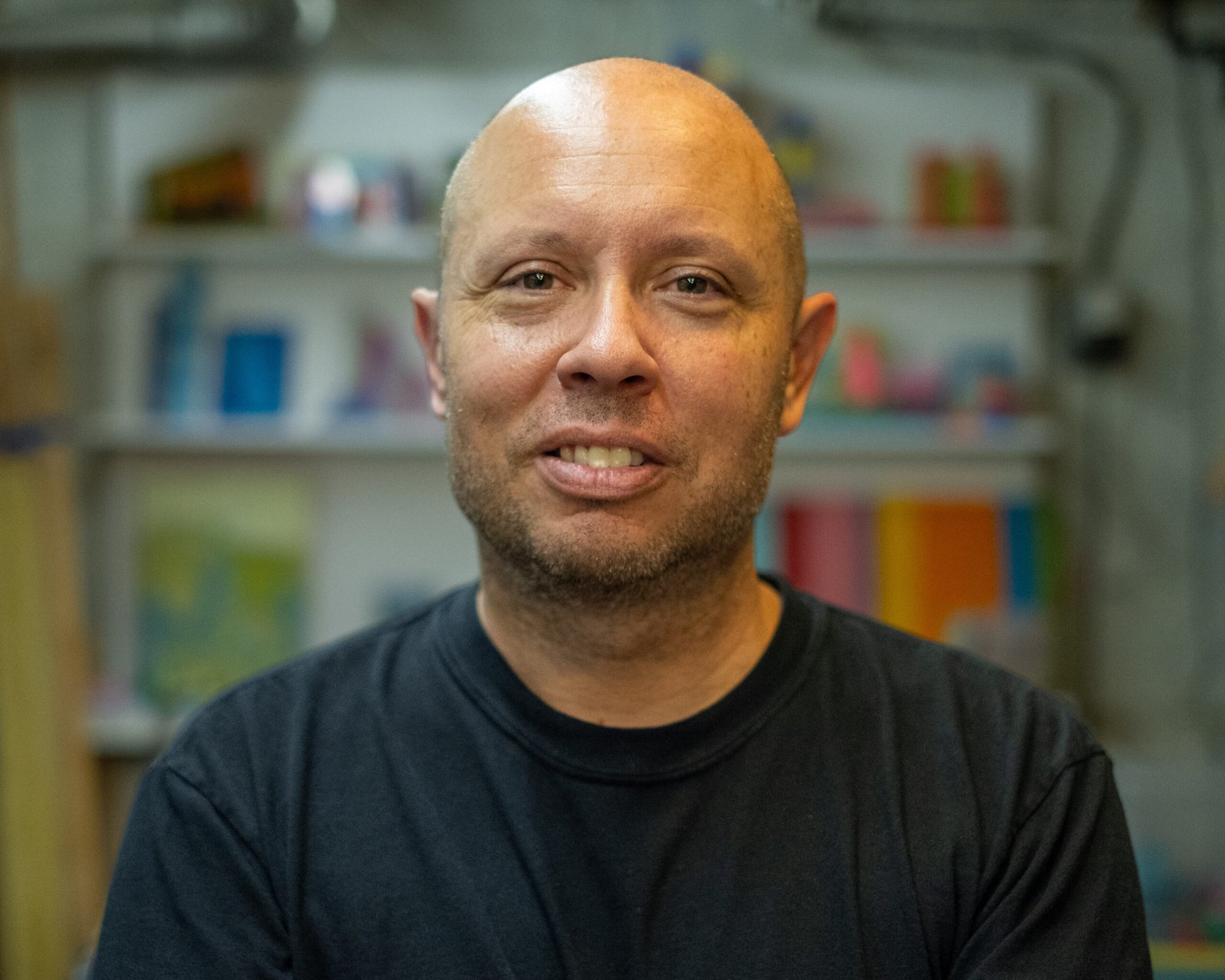
Lou Joseph is an artist and arts administrator based in Baltimore, Maryland. He is currently the Arts, Culture and Events Coordinator at Baltimore County Recreation and Parks department. Born in Youngstown, Ohio in 1975, he graduated from Ohio Wesleyan University with a BFA in painting in 1998 and received an MFA in printmaking from Indiana University in 2004. He continues an active studio practice, primarily working on painting and long-term collaborative projects, and has exhibited work in New York, Chicago, Venice, Berlin among others. From 2012 to 2022 he directed the Institute of Contemporary Art Baltimore, an artist-run nomadic art space, staging 36 large scale solo artists exhibitions, along with professional practice programming. He lives with his family in the city of Baltimore.

Elizabeth Spavento is a curator, arts administrator and artist born and raised in Buffalo, NY. She has over 14 years of hands-on experience overseeing large- and small-scale curatorial programs in a variety of settings. She was named one of eighteen 2023-24 Creative Corps Fellows with the California Arts Council and the 18th Street Arts Center in Los Angeles, for which she received $110,000 in funding for curatorial projects, the largest individual artist grants to be given out in the state of California. In Portland, Maine, she ran a statewide artist grant program as part of the Andy Warhol Foundation’s regranting network and a residency program that highlighted the contributions of gender- and racially diverse artists.

From 2021-22, she served as the Executive Director for the Arts Council of Kern, in Bakersfield, CA, the county’s leading arts and culture organization. There, she provided leadership for programs including the Arts in Corrections and Community Grants Programs.

As an artist, Spavento organized multiple exhibitions and published many texts between 2016-25 as Co-Founder and Co-Director of the curatorial collective, Border Patrol, including collaborating with residents of Bakersfield’s Mesa Verde ICE Processing center. She is a recipient of an Ellis-Beauregard Foundation Project Grant and a three-time recipient of an Alliance for California Traditional Arts Living Cultures Grant; and she has been awarded residencies with Iris Project (Los Angeles, CA); ACRE (Steuben, WI); and the Centre for the Study of Substructured Loss (London, England). She has lectured about curatorial practice and artist-centered systems at institutions such as Alfred State University, the Maine College of Art, the Portland Museum of Art, and Henry Art Gallery. Spavento also served as a juror and panelist for the Brink Award, Creative Time and Charlotte Street, among others.